

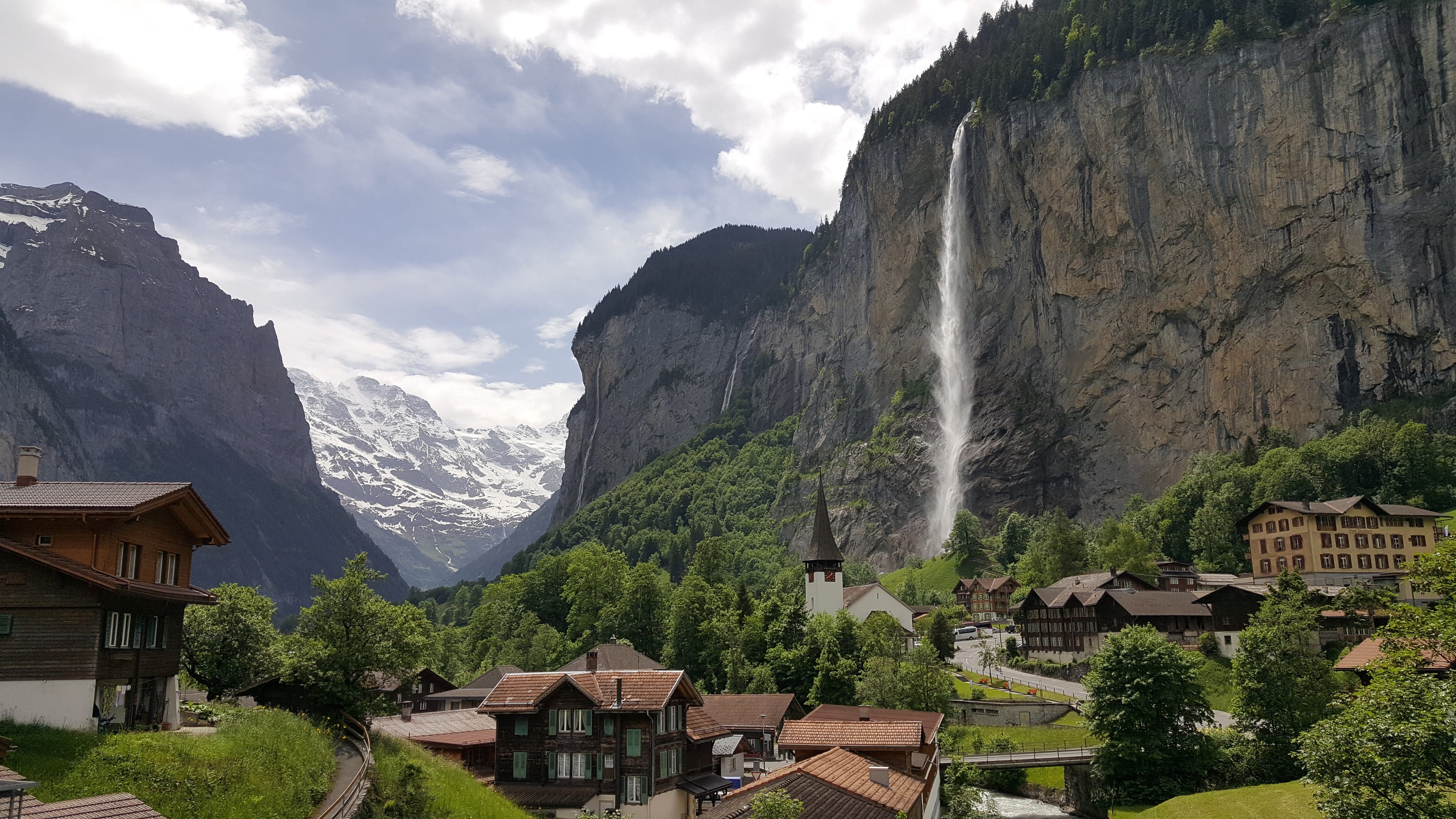
As travel season begins in the Northern Hemisphere, I thought it would be useful to combine my two favorite topics, economics and travel, and write an article about how to use economics when travel planning. This won’t list where to go or where to avoid, where the “10 best cutest authentic German villages of 2026!” are. Instead, some simple advice on how to use economics to maximize the value of a trip.
Two constraints
Every trip has two constraints: money and time. People are generally good at evaluating the former. How much will a trip cost is often the first question asked when trip planning. Time, however, is more likely to fall by the wayside. Most recognize that a direct eight-hour flight for $500 is better than a two-stop flight that will take a total of 15 hours and costs $400, but this logic should be applied to all parts of a vacation.
I often meet Americans who are going to Europe for a ten-day vacation. Their itinerary comprises seven cities across five countries. This type of trip is obviously expensive monetarily, but so too is it expensive temporally. Visiting that many cities requires countless hours spent on planes, trains, and automobiles. What people often don’t properly account for is that every hour spent in an airport costs an hour in a museum or wandering a beautiful neighborhood or even just sitting at a café.1 I once met someone who visited seven European countries over eight days. She spent far more time on trains than in neighborhoods.
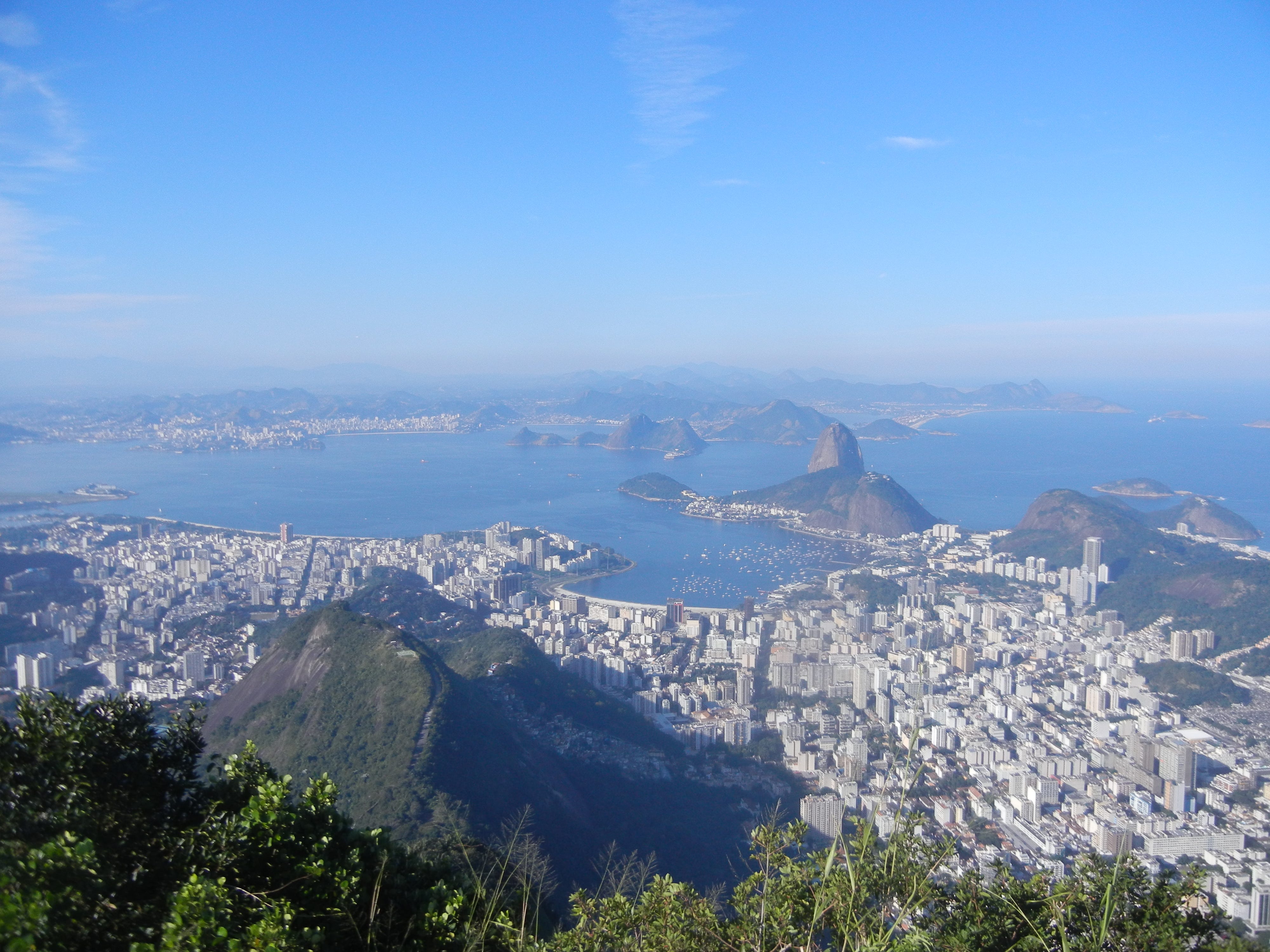
This isn’t an argument for “slow travel” or taking things easy. One can easily spend a week in cities like Rio de Janeiro and tour from dawn to midnight. Rather, the time cost of spending seven days in five different Brazilian cities instead of seven days in two cities needs to be properly accounted for. For someone who has this one chance to see Brazil and wants a sampler tour of “A Terra do Futebol”, then constant moving may be worthwhile. For most, however, it makes far more sense to maximize the value of a trip by spending less time in airports and more time sitting on the beach.
This is why I recommend only going to Australia or New Zealand from North America or Europe on 14-day trips or longer. The travel time to Australia, door-to-door from the US, can easily hit 30 hours. It is simply not worth it to leave home on a Saturday and return a week later, having spent 60 hours traveling. That’s two and a half days! Include the jet lag as well, and a week-long trip to the opposite side of the world is a poor use of time. Far better to travel from the United States to Buenos Aires or from Europe to South Africa and not spend a good chunk of a trip in airports.
Every traveler should think about their money and time constraints. Which is the more binding of the two? As a professor with a decent income but incredible vacation time, my constraint when traveling is money. I am constantly looking for the best deals and figuring out ways to stretch my dollar. I don’t, however, have much of a time constraint. As long as class isn’t in session, I can easily take a two-week vacation. I’m more willing to do layovers to save some money, as the main downside to an additional flight is hassle, not lost vacation time.2
For others, the main constraint is time. This sometimes manifests itself when a location gets on the jet set itinerary. Flights from New York to the Caribbean generally cost around $600. Around Christmas, however, the cost can top $2,000. Now, flights usually go up in price during the holidays, but a trebling is insane. Why does it happen? The demand. Thousands of ultra-high-net-worth New Yorkers who work in finance and private equity are often off work between Christmas and New Year’s. These are people who get two weeks of vacation a year and make at least mid six-figure salaries. They have virtually no monetary constraint. Instead, their constraint is time. They would rather pay outrageous amounts to visit a nearby island destination quickly than spend a few extra hours on a plane or have to deal with jet lag. When you have more money than God but only a precious few weeks to kick back and relax, spending an extra $1,400 on a flight is easily worth it.
Bang for your buck
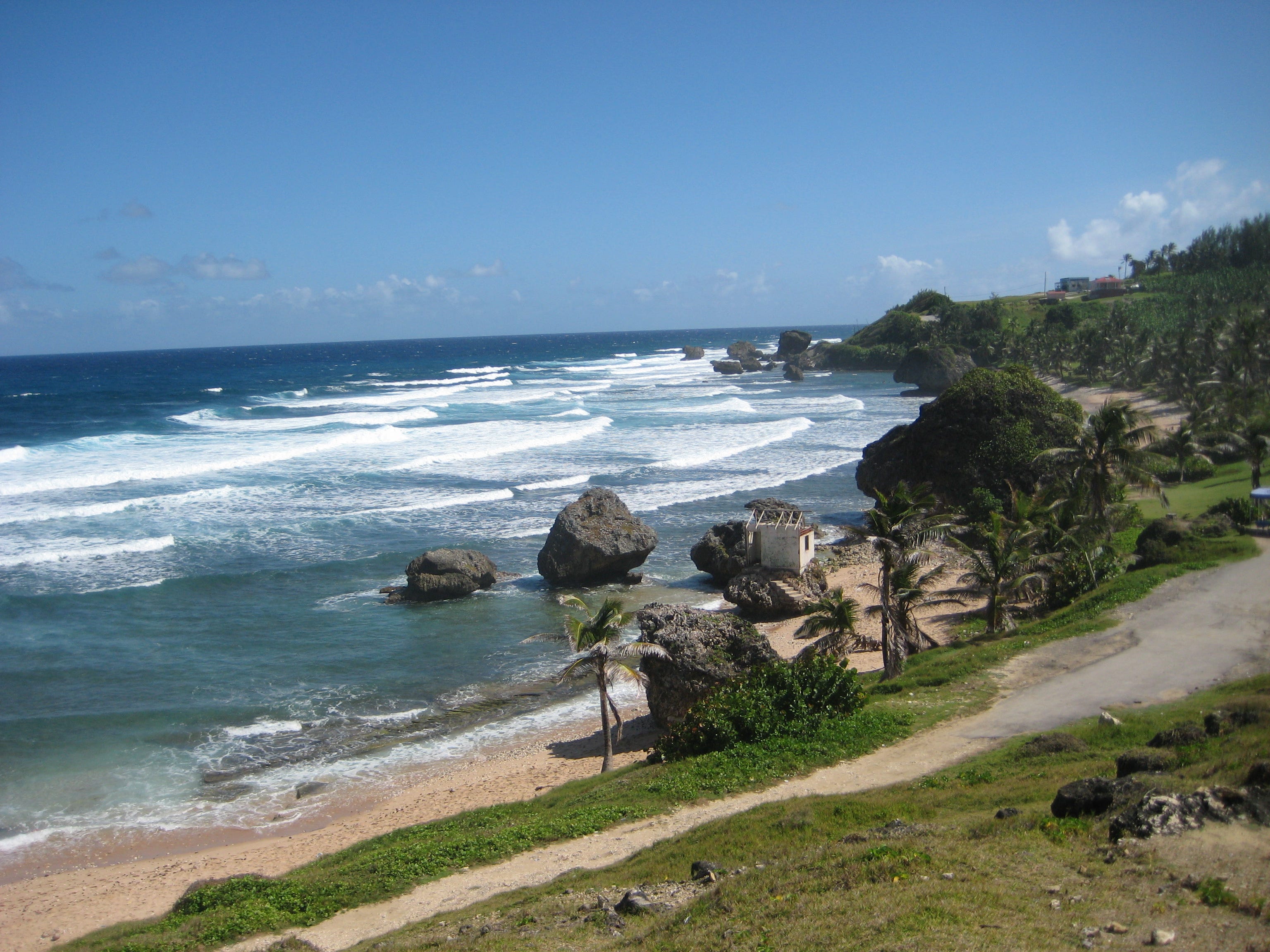
Travel articles often talk about the best budget destinations or the best luxury destinations. This has its use, but a better metric is value for money (VfM). VfM doesn’t refer to how much or how little something costs, but what that dollar can obtain. As a general rule, at least within a region, more expensive travel destinations have better amenities. They are safer, have more to do, etc. Germany is more expensive than Bosnia, and most people prefer to visit Germany. This rule, however, does not always hold. Some places are simply overpriced. It could be because the cost of living is high, tourism is more of a niche industry, or geography. Other places are great values. They offer much for tourists and cost relatively little.
I am always on the lookout for high VfM destinations. This does not stay constant. Some destinations become more or less expensive over time. Japan, for example, is currently fantastically cheap for Americans to visit. The Japanese Yen, which for years traded at around 110 for 1 US dollar, is now trading at above 150 per US dollar. For American tourists, it’s as if everything were 30-40 percent cheaper than it would have been in 2021. This makes it a great VfM destination. Other places become more expensive, especially if they enter mainstream tourism. Prague, while still relatively cheap, is nowhere near the bargain it was. Twenty years ago, Prague was mainly sought out by backpackers on a budget. Today, it is an A-list European capital. As more affluent travelers have visited Prague, prices have followed.
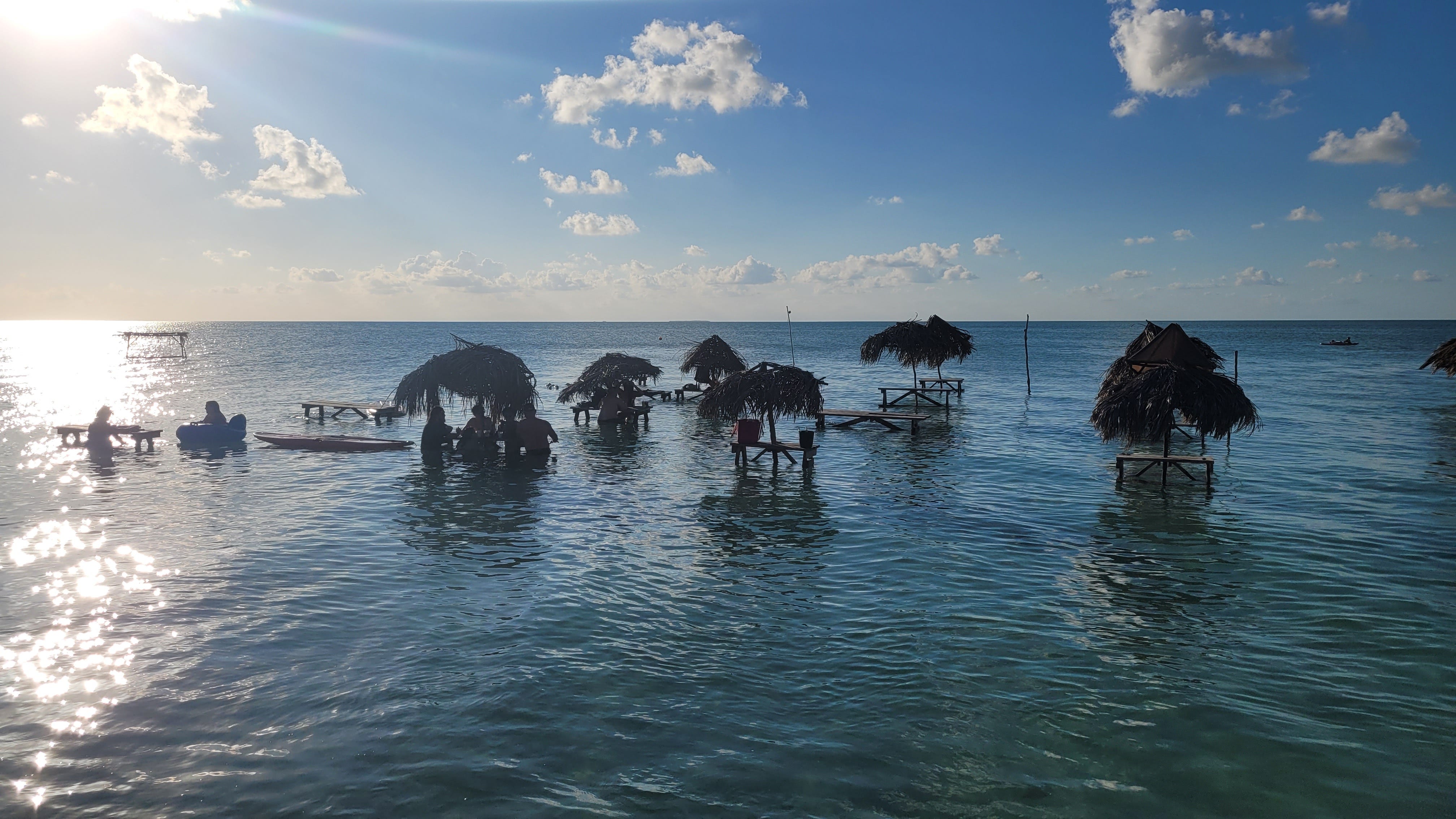
This requires some experience to parse, but it’s worth attempting to discern where VfM will be high and where it will be low before visiting. After booking flights but before traveling to Belize, a friend warned me the dollar value there was low. I enjoyed Belize a lot, but this is accurate. Belize is still very much a developing country with the infrastructure to boot. The tourist areas, however, are on islands off the coast that cater primarily to tourists, mainly Americans. Thus they charge inflated prices. There are still some decent deals to be had by American standards, but restaurants and snorkel trips can cost as much in Belize as in the US, and the quality is lower.
Similarly, the British Isles are a bad value for money. England, Scotland, and Ireland are worth visiting. Great cities, millennia of culture, etc. But they are very expensive. Not as bad as Norway or Switzerland, but a lot. Trains, rental cars, meals, and especially lodging cost far more than in, say, France or Italy. On top of that, the food is terrible. Again, that isn’t to say don’t go to the British Isles. I’ve visited multiple times and plan to return. It’s just recognizing that you pay a lot of money for what you get.
On the opposite side of the spectrum is Southeast Asia. World-class beaches in Thailand, the legendary temples of Cambodia, and plentiful scenery in Vietnam. Great tourist infrastructure. Relatively safe. And cheap. Laughably, unbelievably cheap. Oceanfront rooms in nice hotels for under $100 a night. Meals for under $10, sometimes under $5. Southeast Asia is by far the best bang for your buck destination. Unfortunately it’s far away.
Other good VfM destinations include the Baltics, Italy, South Africa, Peru, and New Mexico.
Weather
Weather can make or break a trip. There’s nothing worse than spending a whole trip in the rain, only to have the sun appear hours before heading to the airport. Since the weather is somewhat idiosyncratic, most tourists don’t think a ton about it when choosing a destination. The general traveler consensus is to hope for the best and prepare for the worst.
This is wrong.
There are some places that have reliably good weather during certain times of the year. This should not be discounted when trip planning. The Algarve in Portugal is a great example. Lagos, one of the most popular destinations in the Algarve, offers some of the most dependable weather on Earth during the summer. The average high temperature is 81°F (27°C). The nearby ocean generally prevents the oppressive heatwaves that hit the interior of the Iberian Peninsula.
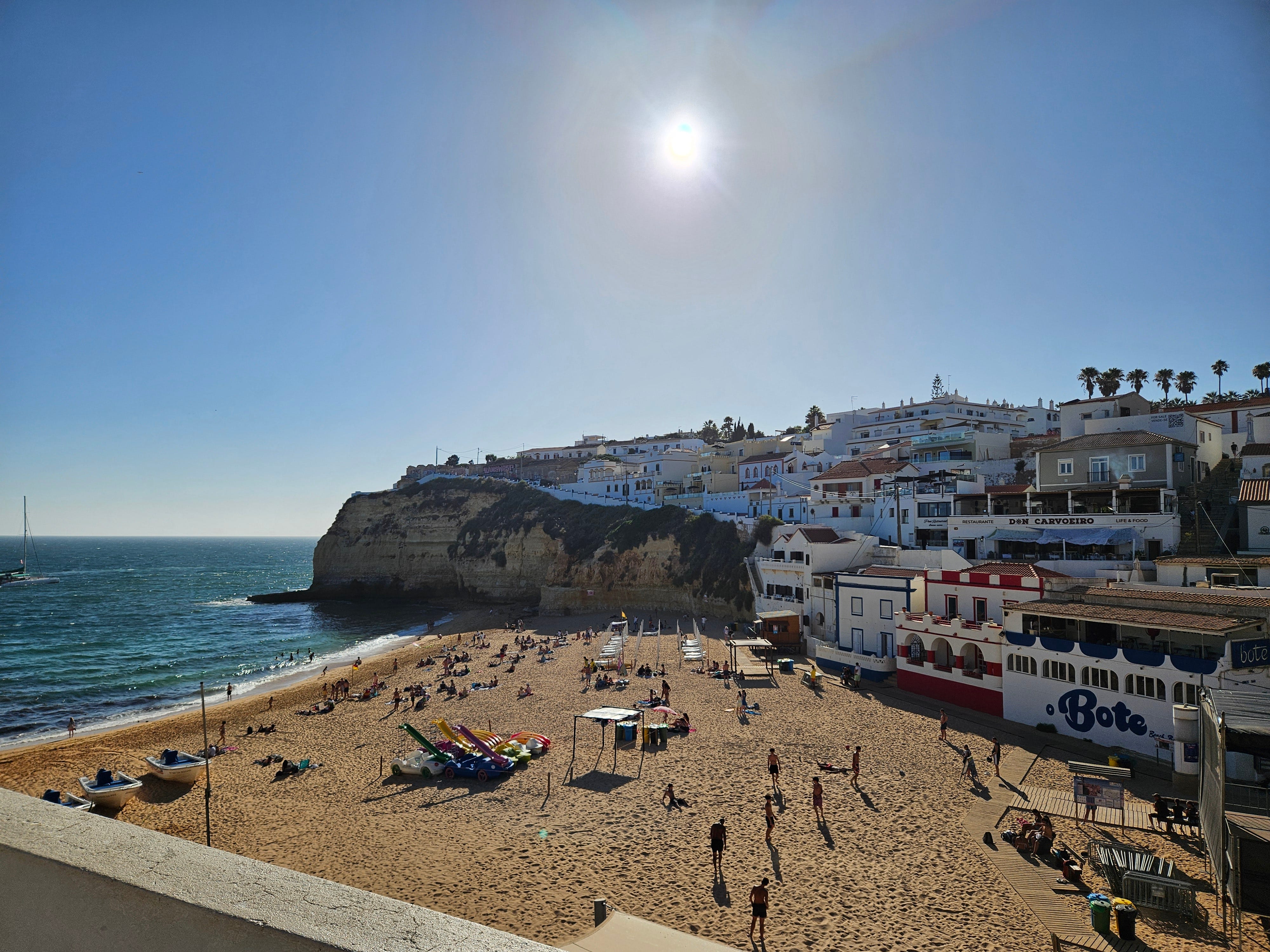
The average amount of precipitation in Lagos in July is zero. Nada. Zero days of rain, zero millimeters of rain. Lagos averages an astonishing 12 hours of sunshine a day in July. If you want sun, withstandable heat, and no rain, the Algarve offers the closest to a guarantee as you can get. This makes it a great beach destination. No worrying about days of rain or unseasonal coolness ruining a trip. This is a serious advantage.
Other locations are much more variable. About a decade ago, a friend and I backpacked the W trek through Torres del Paine National Park in Chile. It was a fantastic trip. Absolutely jaw-dropping scenery, including from the British Lookout at the top of the French Valley, one of the coolest places I’ve ever stood. We even saw a few avalanches from a safe distance. We had amazing views of the Cordillera Paine mountains and surrounding lakes the entire trip.
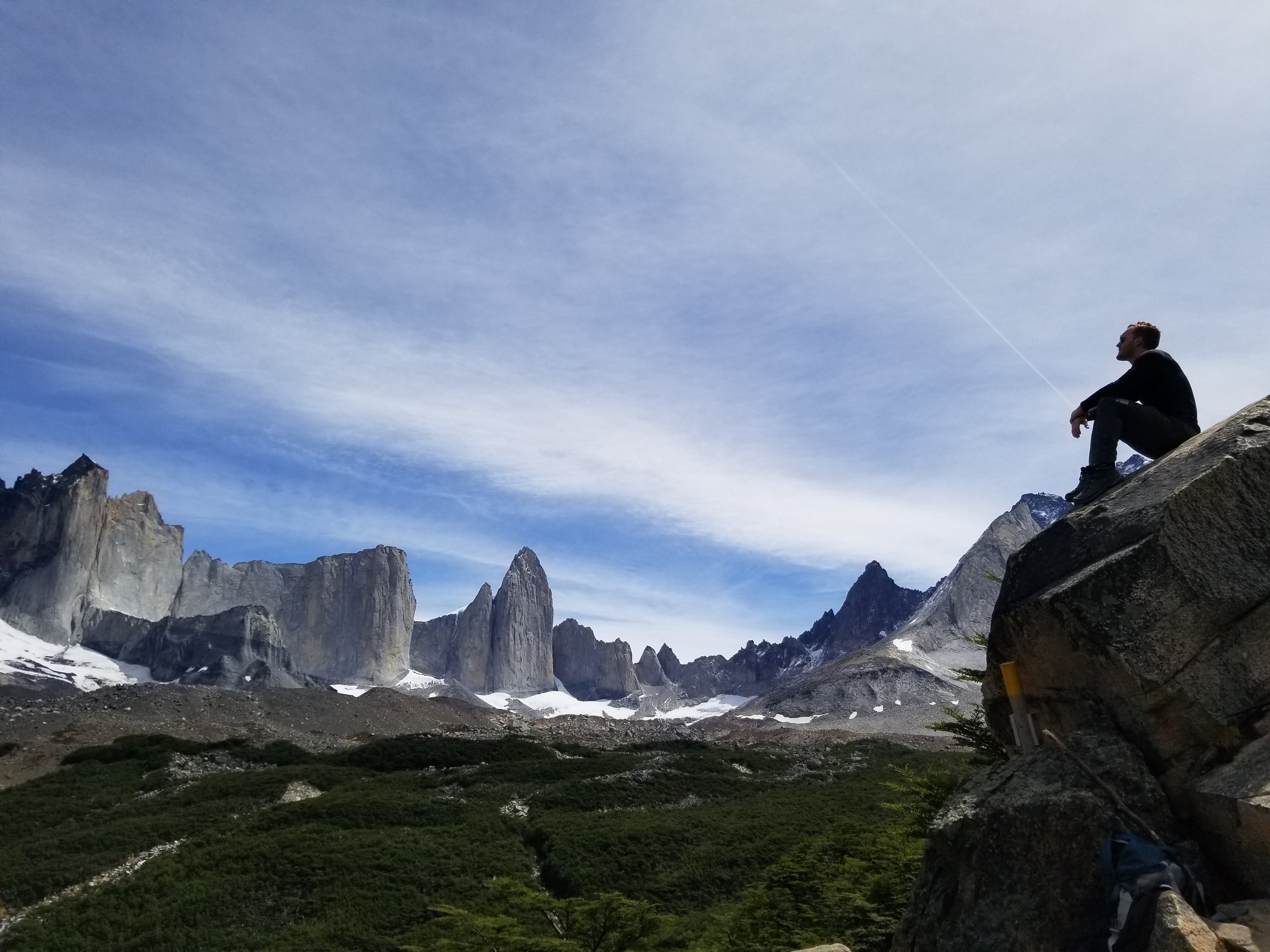
We got incredibly lucky.
Even during the height of summer, the weather in Torres del Paine is unpredictable. Sunny, calm days can quickly give way to intense storms. Worse yet, the valleys and mountains are often socked in with clouds. A group of hikers that visited the French Valley the day before us saw nothing the entire time. No avalanches, no mountains, nothing more than the ground in front of them, because of dense cloud cover. This happens all the time. Guides often recommend lining your backpack with a garbage bag because it rains so much. Torres del Paine without the views is not worth it. And all this ignores the ferocious winds, which even during our beautiful weather were strong enough to knock down a grown adult in places.
This contrasts strongly with my favorite hike of all time - the Santa Cruz trek in the Cordillera Blanca mountains of Peru. In July and August, the weather is pristine. Every morning is sunny. Temperatures are cold at night but perfect for hiking during the day. In the afternoon, clouds often form and rain showers hit infrequently, but they pass quickly. Most of the hike will be in sunshine at a comfortable temperature. You can depend on it.
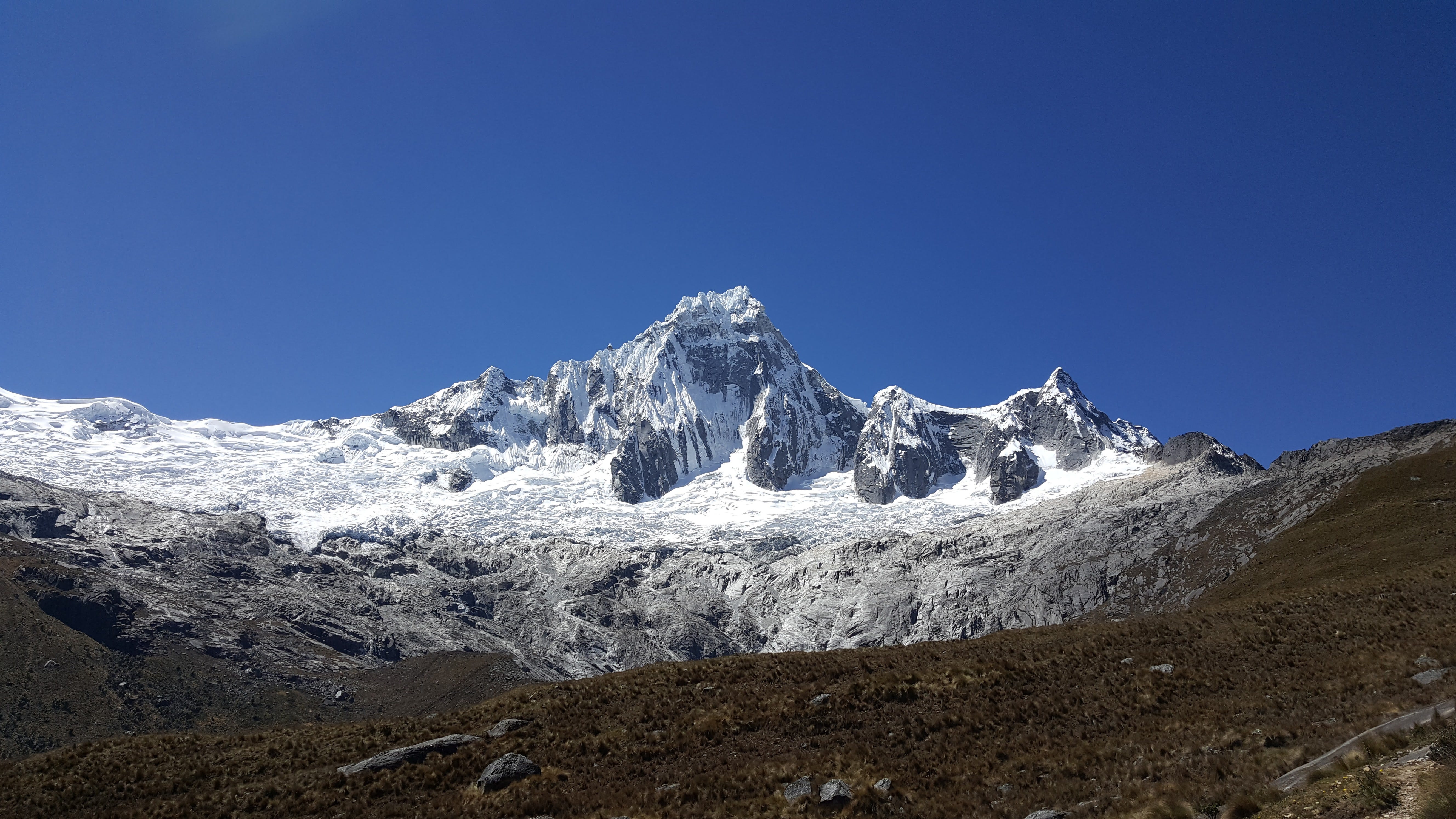
Not accounting for these differences is a mistake. That isn’t to say one should always do the Santa Cruz trek in Peru and never the W trek in Chile. It’s just that being able to plan a trip and knowing the weather will be good is a huge bonus. It is wise to avoid planning trips where bad weather could derail the entire itinerary.
Traveling always has unknowns. The best laid plans of even the most fastidious traveler will often go astray. Delayed or canceled flights cost time and money, even if the traveler isn’t at fault. Budgeting is difficult - I always recommend travelers bring half the stuff and twice the amount of money as planned. Outside of a few locations, the weather is always a bit of a question mark. That said, using some basic economics can help ensure a good trip. Consider the risk of variable weather. Get a sense of how much a place costs versus what it delivers. Make sure to incorporate time cost into travel plans. This will help you get the most out of your trips.
Bon voyage.
This is the main benefit of train travel. Unlike traveling by plane or bus, traveling by train can be part of the experience. Especially in Europe, the scenery from a train is often fantastic. Far better than from a motorway or from the sky.
I once saved $500 across three people by booking a flight from Chicago to Paris with a 10-hour layover in Zurich. Those savings allowed us to do a Michelin-star meal while in France, and I didn’t lose time in France because I booked the flight a day earlier than I otherwise would have. I also got to walk around Zurich. When time is not a constraint, this tradeoff is worth it. If I had two weeks of vacation a year, I would never do this.
I think I recognize that friend in the photo! He’s got red hair, I believe!
Enjoyed the article, Patrick. Gives me the travel itch again. I may have to re-consider China and look more closely at South America or SE Asia.