

The Fed Chair stands alone. Over the last few decades, one government office after another has been politicized. Key positions like the Attorney General or the Director of the FBI, once a testament to the strength of US government rules and mores, have become a tool of the president. The halcyon days of independently minded members of the judicial branch and justice system are long gone. Even the Supreme Court, where members never have to worry about their next job, let alone running for reelection, has seen judges on both sides of the aisle conveniently change their priorities depending on who is sitting in the Oval Office.
The most powerful exception to this rule, and a powerful one indeed, is the chair of the Federal Reserve. The chair of the Fed manages America’s central bank. This organization helps set interest rates, buys and sells treasury bonds by the hundreds of billions of dollars, and oversees the US banking system. While the chair of the Fed is just one of 12 members of the Federal Open Market Committee who vote on interest rate targets, historically other members have deferred to the chair to maintain a sense of unanimity. The Fed chair is arguably the second most powerful person in America, and one of the most powerful individuals in the world.
For decades, presidents of both parties have recognized the importance of an independent Fed chair. This is despite a real tension between the interests of the nation and the interests of the president. The Fed is responsible for maintaining price stability in the United States. That means setting interest rates high enough to prevent inflation, but not so high that it causes undue unemployment. This is a difficult task, one that cannot be accomplished with certainty. The president, on the other hand, would usually benefit from lower rates, especially before an election, as lower interest rates would juice the economy before causing inflation. Richard Nixon, for example, put substantial pressure on Fed chair Arthur Burns to keep rates low in order to win reelection, only to see inflation surge as a result. Since then, both Republican and Democratic presidents have recognized the wisdom of letting the Fed chair manage the economy.
The result has been an unparalleled success in economic management. While the US economy has had its problems, notably being the epicenter of the Great Recession in 2008, it’s hard to argue with the long-term dominance of the economy. As I have written, there are few economies that have had a half-century like the United States. The economy has grown and grown and grown. Its citizens have become fantastically wealthy.
There are many reasons for this, some significantly more important than the Fed, but let’s give credit where credit is due. We have had a magnificent series of Fed chairs. Beginning with Paul Volcker in 1979, and then Alan Greenspan, Ben Bernanke, Janet Yellen, and Jerome Powell, the Fed has maintained a steady hand and reassured markets. They have, of course, not been perfect. In just the last few years, Jerome Powell waited far too long to act to combat rising inflation in 2021, a result of the Covid stimulus packages and ultra-low interest rates. Greenspan could have exercised more regulatory power over the mortgage industry in the 2000s and mitigated the subprime mortgage crisis. That said, overall, America has been blessed with competent Fed chairs that have acted independently and in the country’s best interests.
That independence has become more tenuous of late. For decades, the norm was for a president to reappoint a Fed chair who had only served one term, even if that Fed chair was originally appointed by a member of the other party. Donald Trump broke with that tradition by declining to reappoint Janet Yellen, an Obama appointee. This was in part because he thought she was too short (really). He did, however, appoint a qualified replacement in Jerome Powell. Joe Biden, when president, later faced calls from the activist wing of his party to defenestrate Powell, just as Trump had done to Yellen. Senator Elizabeth Warren in particular opposed the reappointment of Jerome Powell, instead supporting Lael Brainard, or another Fed chair that would place a bigger emphasis on the environment. This would have been a disaster. The Fed chair shouldn’t be concerned with the environment. He or she should be concerned with the economy. Likewise, the administrator of the Environmental Protection Agency (EPA) should not be concerned with interest rates. He or she should be concerned with the environment. Happily, President Biden recognized that Jerome Powell had done a good job in his first term, and reappointed him to a second.
Trump, in his second term, has attempted to take a wrecking ball to Fed independence. He has called on the Fed to lower interest rates. He publicly said he should fire Powell, although it was unclear whether he had the authority to do so. When the Fed didn’t lower rates as fast as Trump wanted, the US Justice Department announced a criminal investigation into Jerome Powell, supposedly based on what the Fed chair said to Congress regarding the renovation of the Federal Reserve’s headquarters. The investigation was later dropped, but it was clear Trump wanted someone malleable in the office.
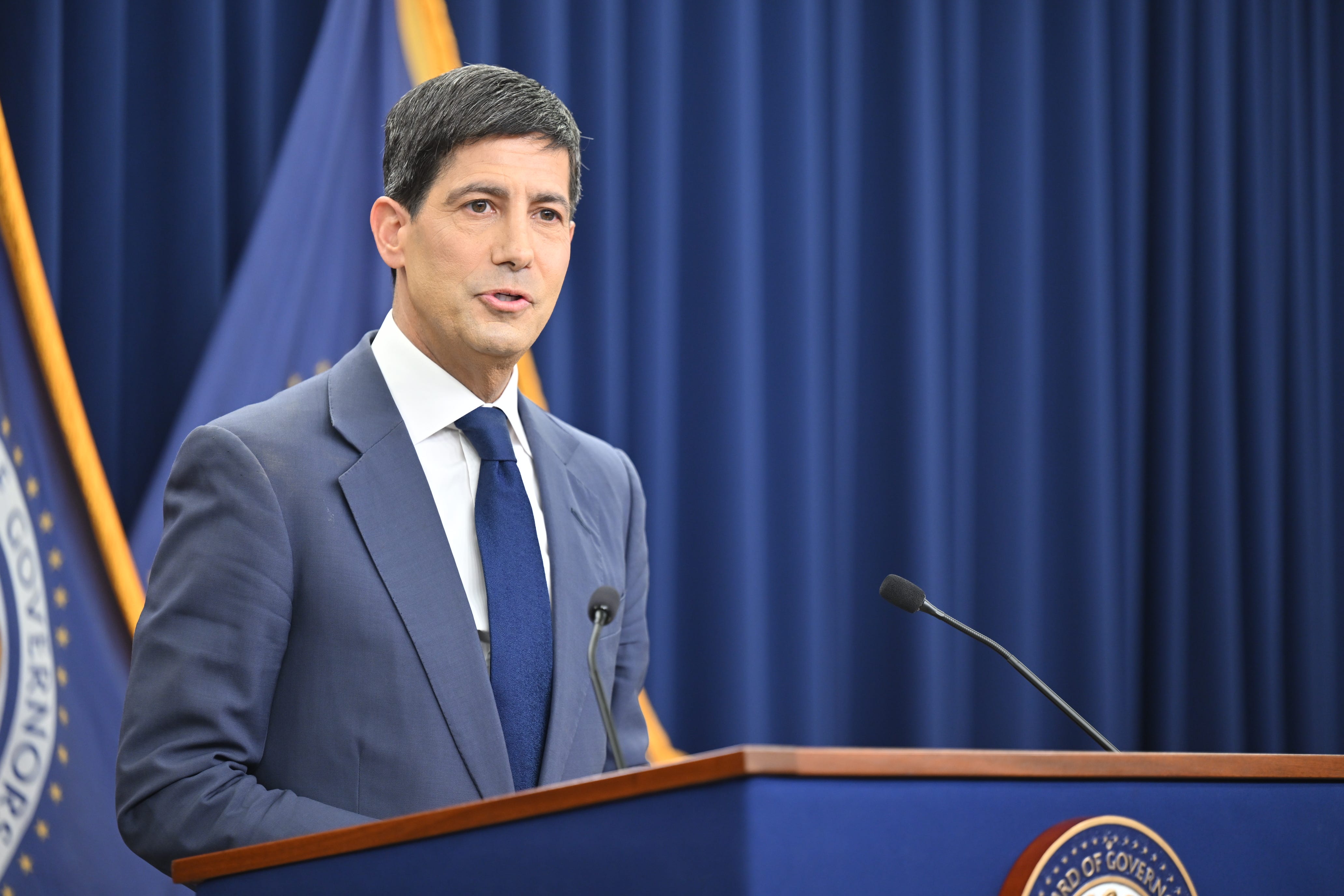
Powell’s term as chair of the Fed ended on May 15, 2026. Trump nominated Kevin Warsh, a Stanford and Harvard grad with a long career in the federal government, private industry, and academia, as his replacement. At face value, Warsh was a conventional pick. He was generally known as an inflation hawk, or someone who advocated higher interest rates to tame inflation. In the leadup to Powell’s retirement, however, he transformed into an inflation dove, or someone who accepts higher inflation as a consequence of lower interest rates. It was clear he was angling for the Fed chair job, a role he had been considered a candidate for in 2018 but lost out to Powell. There was justifiable concern that Warsh would not be independent. No one really knows his true views. Did he really decide inflation would be manageable with lower interest rates after Covid? Or was he willing to say what needed to be said to get the nod from President Trump? Would he become a Trump toady, or maintain his independence?
On September 16, he made a decisive signal that it was the latter. The Fed unanimously voted to raise interest rates by a quarter point, the first increase since 2023. Despite the pressure from Trump, including a bizarre threat to further harm the economy if he didn’t get what he wanted, the Fed did what needed to be done. The case for raising rates was straightforward. The economy is growing. Not quickly, but it is growing. Unemployment remains low. Jobs are still being created. Inflation, however, has stayed elevated. For more than five years, it has been above the Fed’s two percent target. These are the two goals of the Fed regarding interest rates: low inflation and low unemployment. Thus, if unemployment is low and inflation is high, rates should be raised. The Fed should not have lowered rates when they did in 2024, but no use crying over spilled milk. The reality is the Fed recognized that inflation is a bigger issue facing the American economy right now than unemployment, and they acted accordingly.
So cheers to the Fed. In a nation of deteriorating norms and unprecedented animosity from the White House, they made the right decision. May America continue to be blessed with a competent leader of the world’s most powerful financial institution.